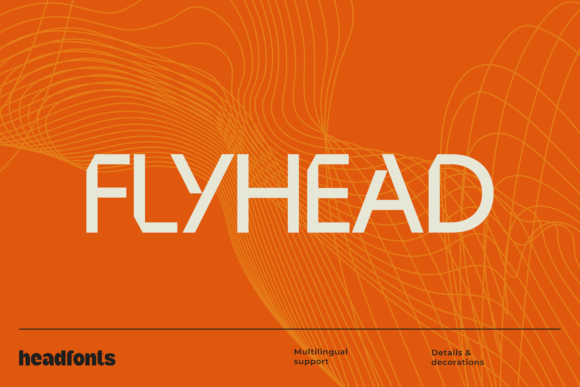
Flyhead: A Modern Typeface for Editorial Design
There’s a moment in the design process when everything clicks. It could be the first time you see a headline set in a new font, or when a layout feels just right. For many editors and designers, that moment often comes with Flyhead—a sleek, modern sans serif that brings clarity and sophistication to any project.
Flyhead is more than just a font. It’s a tool for storytelling, a way to shape the visual rhythm of a publication. Its clean lines and balanced structure make it ideal for headlines, pull quotes, and other editorial elements where readability and style are equally important. Whether you're redesigning a blog header or crafting a printable planner, Flyhead offers a versatile foundation that adapts to different formats and moods.
The Visual Character of Flyhead
Flyhead has a confident, geometric presence. Its sharp angles and consistent stroke widths give it a sense of precision, while its open counters and gentle curves ensure it remains approachable. This balance makes it suitable for both high-impact display uses and subtle editorial applications.
When used in headlines, Flyhead commands attention without overwhelming the reader. Its bold weights add weight to section titles, while lighter variants provide a refined touch for subheadings or captions. The font’s subtle variations in thickness and spacing create a natural flow, making it easy to read even in dense layouts.
Flyhead in Real Editorial Projects
Consider a lifestyle blog looking to refresh its look. The editor might choose Flyhead for the main title, using its bold weight to establish a strong brand identity. In the body, they could pair it with a soft serif font for a contrast that enhances readability. The result is a layout that feels modern yet inviting, perfect for readers who value both aesthetics and clarity.
A recipe ebook might use Flyhead for chapter openers, giving each section a fresh, professional feel. Its legibility at smaller sizes ensures that instructions remain clear, while its clean design complements the visual appeal of food photography. In a wedding guide, Flyhead could serve as the primary typeface for headers, helping to organize information without distracting from the content.
For a coaching workbook, Flyhead’s structured form supports a sense of order and focus. Its neutral tone allows it to blend seamlessly into worksheets, checklists, and goal-setting pages, making it an ideal choice for productivity-focused projects.
Readability and Practical Considerations
One of Flyhead’s greatest strengths is its readability. Designed with careful attention to glyph shapes and spacing, it performs well on screens, in print, and across various file formats. Whether you’re exporting a PDF for a client or optimizing a newsletter for mobile devices, Flyhead maintains its clarity and impact.
However, it’s worth noting that Flyhead may not be the best choice for long paragraphs of body text. Its expressive character works best when used strategically—such as in headlines, pull quotes, or decorative accents. For extended reading, pairing it with a more traditional serif or a simple sans serif can help maintain visual balance.
Font Pairing and Design Flexibility
Flyhead’s versatility extends beyond its own weights and styles. When paired with a complementary font, it can enhance the overall design of a publication. For example, a magazine might use Flyhead for headlines and a classic serif font for body copy, creating a dynamic contrast that guides the reader through the content.
In a digital magazine layout, Flyhead could serve as the primary display font, while a minimalist sans serif handles navigation and captions. This combination keeps the design cohesive while ensuring that each element has a clear purpose.
For a printable planner, Flyhead’s clean lines make it easy to read in small sizes, while its geometric form adds a modern edge. When used in social media graphics or web banners, it provides a polished look that aligns with contemporary design trends.
Final Thoughts on Flyhead
Flyhead is a font that understands the needs of modern publishing. It balances form and function, offering a stylish yet practical solution for a wide range of editorial projects. Whether you're working on a blog, an ebook, or a creative template, Flyhead can help elevate your design while maintaining readability and consistency.
Before using Flyhead in a commercial project, it’s important to review the licensing terms and check for available styles, ligatures, and multilingual support. These details can make a big difference in how the font performs across different platforms and languages.
Ultimately, Flyhead is more than just a typeface—it’s a tool that empowers designers to create visually compelling content. With its clean aesthetic and strong typographic character, it’s a valuable addition to any designer’s toolkit.